

Commercial Fire Extinguisher Requirements

If you own a business or commercial property in North Carolina or are considering purchasing one, it’s important to be aware of NC’s commercial fire extinguisher requirements. It’s never too early to start planning or upgrading your fire safety equipment. Code compliance keeps your doors open and helps save lives.
Today, the experts at City Fire & Safety will explain the requirements for commercial fire extinguishers in North Carolina, including how many extinguishers your business may need, where they should be placed, and how often they should be inspected.
Commercial Fire Extinguisher Requirements Checklist
Commercial fire extinguisher requirements can vary depending on your building layout, occupancy type, fire hazards, and local code requirements. However, most businesses should make sure their fire extinguishers meet these general expectations:
- Fire extinguishers should be visible and easy to access.
- Extinguishers should be mounted properly and kept off the floor.
- Employees should be able to reach an extinguisher without traveling too far through the building.
- The extinguisher type should match the fire hazards in the space.
- Commercial kitchens, flammable liquid areas, and construction sites may need more specific protection.
- Fire extinguishers should be checked regularly and professionally inspected as required.
- Expired, damaged, discharged, or low-pressure extinguishers should be serviced or replaced.
This checklist is a helpful starting point, but it should not replace a professional review of your building. A fire protection expert can help confirm the correct number, type, location, and inspection schedule for your extinguishers.
How Many Fire Extinguishers Are Required in a Business?
The number of fire extinguishers your business needs depends on several factors, including the size and structure of your building, the type of property, and the hazards present in the space. But here are a few general guidelines:
- North Carolina requires fire extinguishers to be no more than 75 feet apart.
- For commercial kitchens and other buildings with flammable B liquids, fire extinguishers should be no more than 30 feet apart, or 30 feet away from cooking equipment or hazards.
- Construction sites are required to have at least one fire extinguisher per floor.
Business owners should also consider whether the building has divided rooms, long hallways, storage areas, equipment rooms, or high-risk spaces that may affect extinguisher placement. A small office may have very different needs than a restaurant, warehouse, manufacturing facility, medical building, or multi-tenant commercial property.
Do you need help determining how many fire extinguishers your business needs? Consult the experts at City Fire & Safety. Rely on us for all your fire extinguisher needs.
Placement of Fire Extinguishers
Fire extinguishers should be placed where they’re readily visible and accessible without obstructions. Here are a few important guidelines for code-compliant installations:
- Exits are ideal: Placing fire extinguishers near exits helps encourage people to move away from the fire and out of the building.
- Use signs, lights, and arrows: If obstructions can’t be avoided where your fire extinguisher is, place visual aids so people can quickly find them.
- Consider weight: The top of a 40-pound or heavier fire extinguisher cannot be more than 3.5 feet from the ground; for lighter fire extinguishers, the top must be no more than five feet from the ground.
- Proper mounting is key: Bracket-mounted fire extinguishers are easily accessible, while a cabinet-housed fire extinguisher is stored behind a breakable glass front for protection until use.
Placement should also account for how people move through the building during an emergency. Fire extinguishers should not be hidden behind doors, equipment, furniture, storage, or merchandise. If an extinguisher is hard to find during normal business operations, it may be even harder to find during a fire emergency.
Choosing the Right Type of Fire Extinguisher
Commercial fire extinguisher requirements are not only about quantity and placement. Businesses also need the right type of extinguisher for the hazards in the building. Common fire extinguisher classes include:
- Class A: Common combustibles such as paper, wood, cloth, and some plastics.
- Class B: Flammable liquids such as gasoline, oil, grease, and certain chemicals.
- Class C: Energized electrical equipment, wiring, appliances, and electrical panels.
- Class K: Commercial cooking oils and fats, commonly used in restaurants and commercial kitchens.
Many commercial properties use multipurpose ABC fire extinguishers, but some spaces need more specialized protection. Restaurants, industrial properties, auto shops, laboratories, warehouses, and facilities with special hazards may require additional planning. For businesses with kitchen fire risks or other high-hazard areas, fire suppression systems may also be part of a complete fire protection plan.
Maintenance & Inspection Requirements
Routine maintenance and annual inspections are key to keeping your business fire code compliant. City Fire & Safety performs thorough inspections and maintenance as needed, including:
- Inspecting for the correct placement, location, and number of fire extinguishers.
- Ensuring fire extinguishers are properly mounted.
- Checking the expiration date of fire extinguishers.
- Replacing fire extinguishers that have expired or lost pressure.
- Securing proper service tags for fire extinguishers.
Businesses should also look for obvious extinguisher issues between professional inspections. A fire extinguisher may need service if the pressure gauge is outside the acceptable range, the pull pin is missing, the safety seal is broken, the hose is cracked or blocked, the cylinder is damaged, or the extinguisher has been discharged.
If an extinguisher is expired, damaged, or no longer safe to use, it should not be ignored or thrown away with regular trash. Review proper steps for handling an expired fire extinguisher so your business can stay safe and compliant.
Why Fire Extinguisher Compliance Matters
Fire extinguisher compliance helps protect employees, customers, visitors, and property. It can also help your business prepare for fire marshal visits, insurance reviews, safety audits, and emergency planning. When extinguishers are missing, blocked, expired, or improperly mounted, your building may be cited for compliance issues.
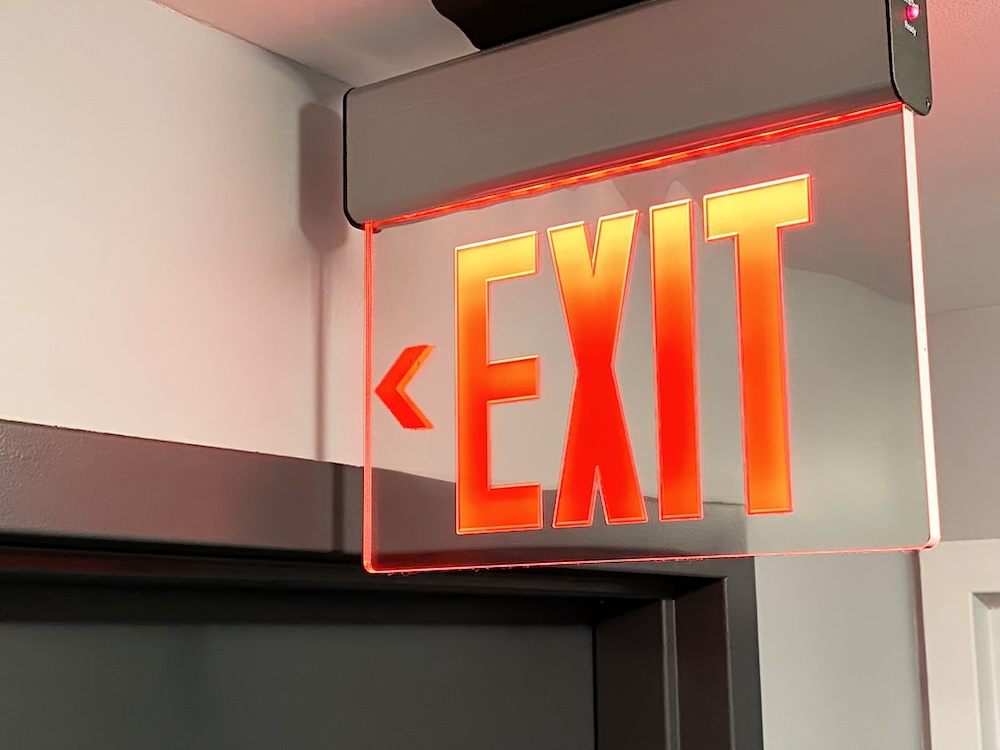
For many businesses, fire extinguisher requirements are one part of a larger fire safety plan. Fire alarms, sprinkler systems, emergency lighting, exit signage, and employee training may also factor into your building’s overall safety and inspection readiness. If your business has an upcoming inspection, this fire marshal inspection guide can help you understand what may be reviewed.
Book Fire Extinguisher Services With City Fire & Safety
Staying code-compliant is easy with expert help from City Fire & Safety.
Our team ensures your business complies with all of North Carolina’s fire safety codes, so you don’t have to worry. You can rest easy knowing we’ve got you covered. We know all the details on what you need, from the type and size of fire extinguishers to their proper placement, installation, maintenance, and inspections.
The business world can be complicated, but fire code compliance doesn’t have to be. Stay safe by scheduling commercial fire extinguisher services with City Fire & Safety today.
Commercial Fire Extinguisher Requirements FAQs
Here are a few common questions business owners have about commercial fire extinguisher requirements, inspections, and placement.
How often should commercial fire extinguishers be inspected?
Commercial fire extinguishers should be checked regularly and professionally inspected as required for your building. Many businesses also complete routine visual checks to look for missing tags, low pressure, damage, blocked access, or signs that an extinguisher has been used. Learn more about fire extinguisher inspections so your business can stay prepared between service visits.
Where should fire extinguishers be placed in a commercial building?
Fire extinguishers should be easy to see, easy to reach, and properly mounted along accessible paths of travel. They are often placed near exits, corridors, kitchens, equipment areas, and other locations where people can access them safely. Professional fire extinguisher installation helps confirm that your extinguishers are placed correctly for your building layout and hazards.
Do employees need to know how to use a fire extinguisher?
Employees should understand where fire extinguishers are located and how to respond safely during a fire emergency. They should also know when evacuation is the safer choice. Reviewing how to use fire extinguishers can help support workplace safety training, but employees should only use an extinguisher when it is safe and appropriate to do so.

request service today